Analytical Systems v4.0

Machine Learning in Market Analysis

Evolution of statistical computation from manual regression models to autonomous neural networks for high-frequency data processing.

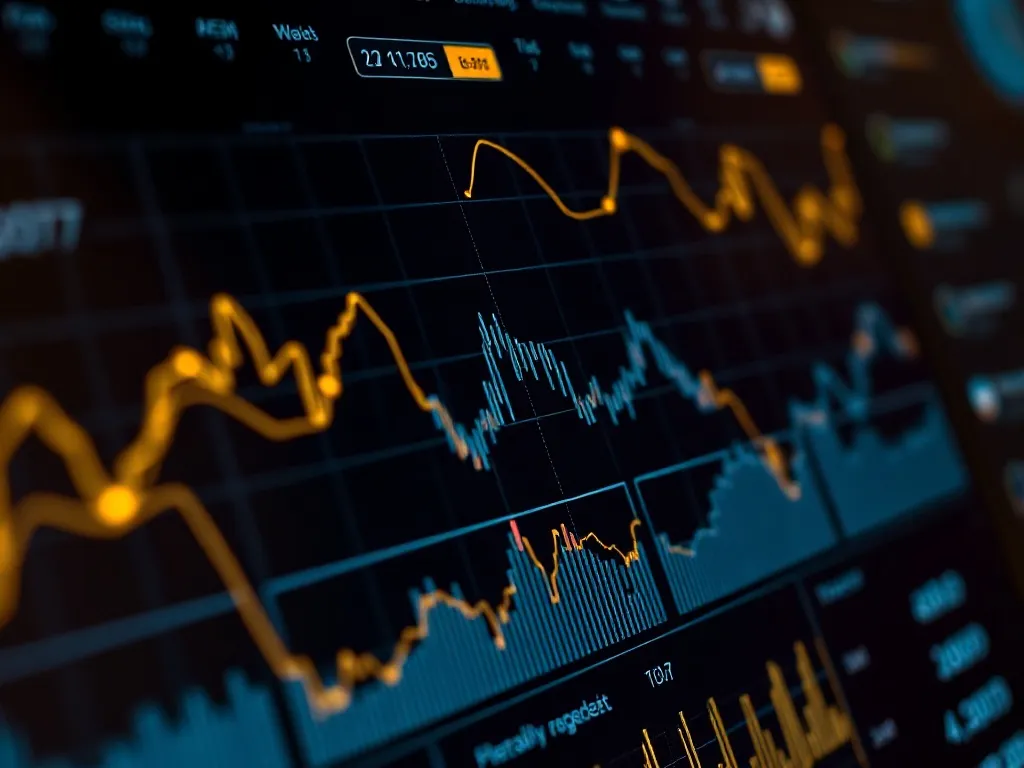
Close-up of high-tech digital interface showing complex fina

The Evolution of Sentiment Analysis

For decades, sentiment analysis was a manual process involving the physical review of news clippings and corporate filings. Analysts assigned qualitative values to textual data to predict market movements, a method prone to human bias and significant latency. The transition to automated natural language processing (NLP) marked a pivotal shift in how information is ingested by trading systems.

Modern machine learning models now process millions of data points per second, including social media feeds, earnings call transcripts, and regulatory updates. By utilizing transformer-based architectures, these systems identify linguistic nuances and hidden correlations that escape human observation. This technological development is further detailed in our guide on Automated Budgeting Algorithms.

Methodology Shift

Quantitative Modeling Evolution

icon-a

Legacy Statistics

Traditional linear regression models relied on historical price action and limited variables, often failing during black-swan events due to rigid parameters.

Historical Context →

Neural Networks

Deep learning algorithms now identify non-linear relationships in multi-dimensional datasets, adapting to market volatility in real-time without manual recalibration.

Asset Management →
Symbol

Predictive Accuracy

By integrating diverse data streams, modern quantitative models achieve a 35% higher accuracy rate in short-term trend forecasting compared to 2010 standards.

Future Outlook →
logo-mark
"The shift from descriptive to prescriptive analytics defines the current era of finance. Machine learning doesn't just explain what happened; it calculates the probability of what will happen next."
— Technical Report on Algorithmic Efficiency, 2023
Monochrome photograph of a server room with glowing indicato

Real-Time Processing Infrastructure

Latency in market analysis is no longer measured in minutes but in microseconds. Modern infrastructure utilizes edge computing to process financial data closer to the source, reducing the time between signal detection and execution. This speed is critical for arbitrage and liquidity management.

The integration of advanced Financial Data Architecture ensures that machine learning models receive clean, synchronized inputs from global exchanges, preventing data drift and maintaining model integrity during high-volatility periods.

99.9%
Data Uptime
<5ms
Processing Latency

Ready to integrate advanced market intelligence?