Regulatory Logic
Hard-coded legal parameters that adapt to changing tax laws in real-time, ensuring zero-variance compliance across international borders.
Read technical specs →
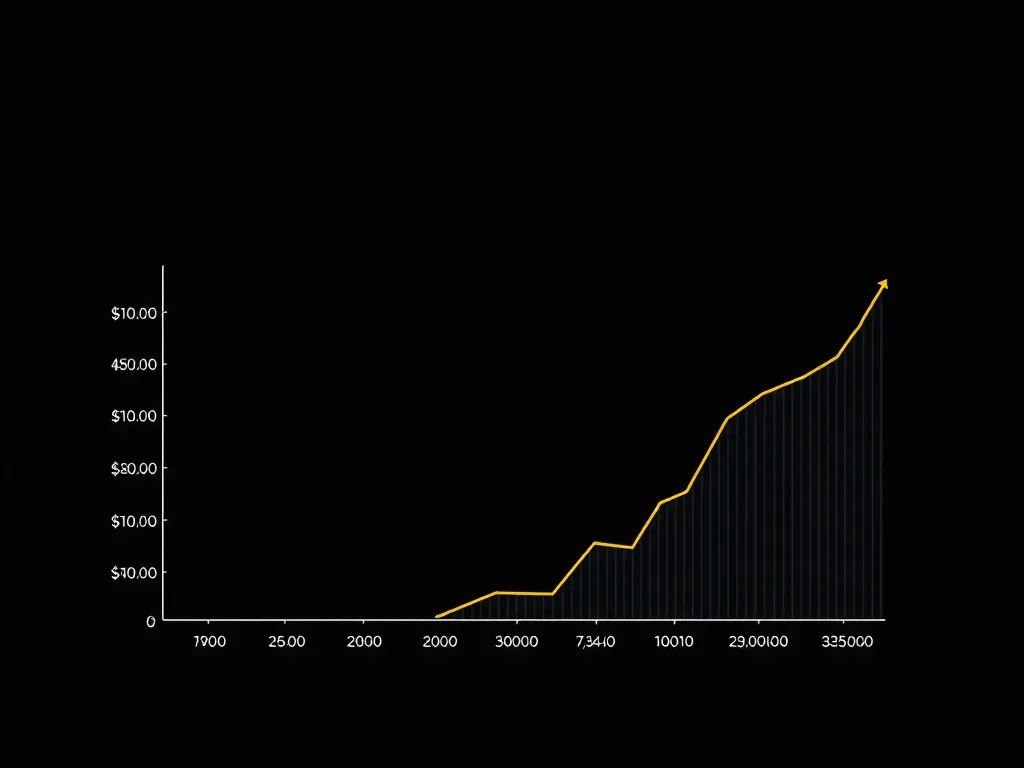
The evolution of fiscal responsibility: from manual ledgers to autonomous algorithmic engines capable of real-time multi-jurisdictional compliance.
Modern tax automation relies on three core pillars that replace traditional accounting workflows with high-frequency data processing.
Hard-coded legal parameters that adapt to changing tax laws in real-time, ensuring zero-variance compliance across international borders.
Read technical specs →Machine learning models that scan transaction history to identify legal tax-shielding opportunities and capital expenditure optimizations.
Market analysis logic →Unified reporting protocols that generate audit-ready documentation for VAT, GST, and corporate income taxes without manual input.
Technical glossary →For centuries, tax calculation was a reactive, manual process, prone to human error and delayed by the physical limitations of paper-based record keeping. The transition to digital spreadsheets in the late 20th century provided speed but lacked the intelligence to navigate the complexities of global fiscal policy. Today, we witness a paradigm shift where Tax Calculation Technology has evolved into a proactive, predictive discipline.
Modern deduction optimization engines utilize advanced pattern recognition to analyze cash flows. By comparing current expenditures against vast databases of tax code precedents, these systems can identify potential savings that would take a human auditor weeks to uncover. This is not merely about arithmetic; it is about the semantic understanding of financial data within a legal context.
"The automation of tax logic represents the final frontier in digital finance, transforming static compliance into a dynamic asset management strategy."
— Technical Director, Fame Finance
To maintain high-fidelity tax calculations, the underlying financial data architecture must support low-latency synchronization with government databases. This ensures that any change in local tax rates or reporting thresholds is instantly reflected in the user's dashboard.
Raw financial data is pulled from banking APIs, ERP systems, and digital wallets. Every cent is accounted for before the logic engine begins its work.

The system identifies the geographical origin of each transaction, applying the specific tax laws of over 150+ global jurisdictions automatically.

AI-driven anomaly detection cross-references the report against historical filings to ensure consistency and minimize the risk of external audits.

The complexity of global taxation is increasing exponentially. Our jurisdiction logic map handles the heavy lifting, allowing users to focus on growth rather than administrative overhead. By automating the history of digital records, we bridge the gap between legacy requirements and modern speed.
Join the evolution of financial intelligence. Implement high-precision tax calculation technology into your personal or corporate asset management workflow today.