Neural Networks in Risk Mitigation
An analysis of how deep learning models outperform traditional linear regression in predicting short-term market volatility and protecting capital.
Read DocumentA comprehensive repository of implementation protocols, algorithmic whitepapers, and comparative studies for integrating AI into financial infrastructure.
The evolution of financial technology has transitioned from simple manual bookkeeping to complex, multi-layered digital ecosystems. Modern systems require a structured approach to data ingestion and processing to ensure accuracy. The implementation of automated budgeting algorithms necessitates a rigorous validation phase where historical data is used to calibrate neural networks. This ensures that the predictive models align with the specific liquidity requirements of the user.
Integration starts with the configuration of secure API endpoints. Developers must ensure that the Financial Data Architecture is robust enough to handle high-frequency updates without compromising data integrity. Our guides provide step-by-step instructions on setting up localized processing nodes that minimize external exposure while maximizing throughput for real-time asset management tasks.
"The primary challenge in automated finance is not the calculation itself, but the cleansing of unstructured data. Without a standardized ingestion layer, even the most advanced AI will produce skewed results."
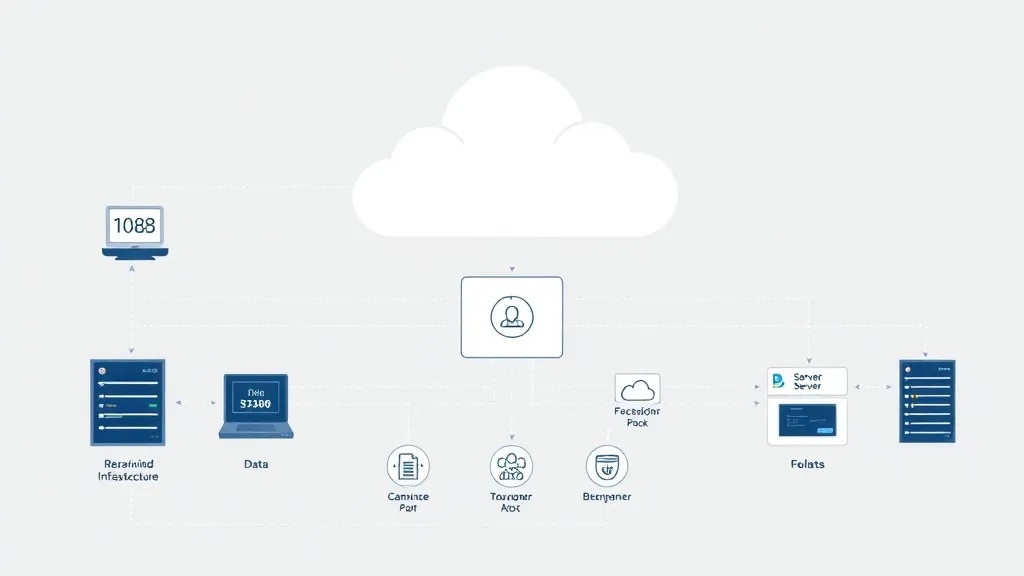
Dive deep into the mathematical foundations and research-driven methodologies that power our financial intelligence tools. These documents cover everything from Machine Learning in Market Analysis to decentralized ledger security.
An analysis of how deep learning models outperform traditional linear regression in predicting short-term market volatility and protecting capital.
Read DocumentTechnical breakdown of the heuristic engines used to categorize transactions for tax reporting and compliance across multiple jurisdictions.
Read DocumentExploring the transition From Paper Ledgers to Digital Records and the security implications of modern database structures.
Read DocumentTo understand the efficacy of modern AI tools, we conducted a comparative analysis between traditional asset management methods and automated systems. The study tracked 1,000 portfolios over a 24-month period. Traditional methods relied heavily on manual quarterly rebalancing, whereas AI-driven systems utilized real-time drift detection and micro-adjustments.
The results indicated a significant reduction in tracking error for the automated group. Furthermore, the operational overhead was reduced by 85%, as the AI handled routine data reconciliation tasks that previously required human intervention. This evolution in efficiency is detailed further in our Evolution of Asset Management report.
| Metric | Manual Control | AI-Automated |
|---|---|---|
| Data Sync Latency | 24-48 Hours | < 5 Minutes |
| Human Error Rate | 4.2% | 0.01% |
| Rebalancing Freq. | Quarterly | Continuous |
| Operational Cost | High | Optimized |
Fame Finance adheres to the highest global standards for financial data security and algorithmic transparency. Our systems are built to comply with ISO/IEC 27001 for information security management and follow the NIST guidelines for artificial intelligence safety. We maintain rigorous internal audits to ensure our Next Stage of Financial Intelligence remains ethically aligned and technically sound.
Access our full API documentation and start building your automated financial ecosystem today. Our engineering support team is available for enterprise-level consultations.